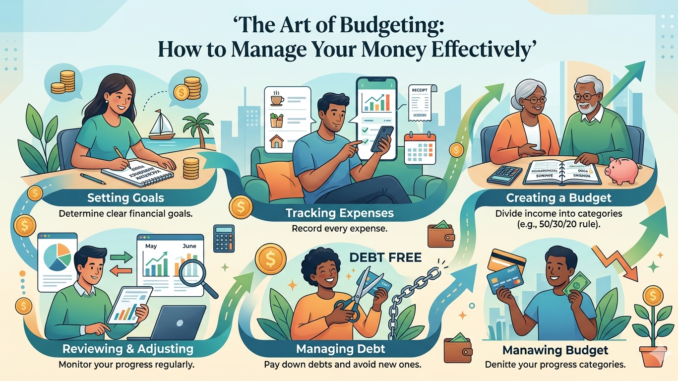
1. Understanding the Core of Budgeting
Many people view a budget as a financial straitjacket—something that prevents them from enjoying life. In reality, a budget is a road map. It gives you permission to spend on the things that matter most to you by eliminating wasteful spending on things that don’t.
2. The 50/30/20 Framework
One of the most effective and simplest ways to start is the 50/30/20 Rule. This allows you to balance your obligations, your lifestyle, and your future.
- 50% for Needs: This covers your absolute essentials—rent or mortgage, utilities, groceries, transportation, and basic insurance.
- 30% for Wants: This is your lifestyle fund. It includes dining out, hobbies, subscriptions (like Netflix), and entertainment.
- 20% for Savings and Debt Repayment: This is the “future you” fund. Use this for building an emergency fund, investing in the stock market, or paying off high-interest debt.
3. Step-by-Step Implementation
Step A: Track Every Kyat
You cannot manage what you do not measure. For one month, record every single expense. Whether it’s a large business purchase or a small cup of coffee, write it down. You will likely find “money leaks”—small, recurring expenses that add up to a significant amount by the end of the month.
Step B: Define Your Goals
Budgeting is easier when you have a “Why.” Are you saving to expand your business? Do you want to buy a new home? Or are you building a safety net for your family? Categorize your goals into:
- Short-term: Emergency fund (3-6 months of expenses).
- Medium-term: Major purchases or business equipment.
- Long-term: Retirement and long-term wealth building.
Step C: Use the “Pay Yourself First” Method
As soon as you receive your income, immediately move that 20% (or your chosen savings goal) into a separate account. If you wait until the end of the month to see what is “left over,” you will likely find that nothing is left.
4. Smart Spending Strategies
- The 72-Hour Rule: If you see something you want to buy (especially online), wait 72 hours before hitting “purchase.” The initial impulse usually fades, saving you from regretful spending.
- Avoid Lifestyle Inflation: When your income increases, resist the urge to immediately increase your spending. Keep your expenses the same and funnel the extra income directly into investments.
5. Tools for Success
In the modern age, you don’t need to be a math genius to budget. You can use:
- Mobile Apps: Many apps automatically categorize your spending.
- Spreadsheets: Google Sheets or Excel allow for high customization.
- The Envelope System: For those who prefer cash, putting physical money into labeled envelopes for specific categories (e.g., “Groceries,” “Fuel”) is a great way to prevent overspending.
Final Thoughts
The goal of budgeting is not to become wealthy overnight, but to gain peace of mind. When you know exactly where your money is going, you stop worrying about the “what-ifs” and start focusing on your growth.
“A budget is telling your money where to go instead of wondering where it went.” — John Maxwell
Leave a Reply