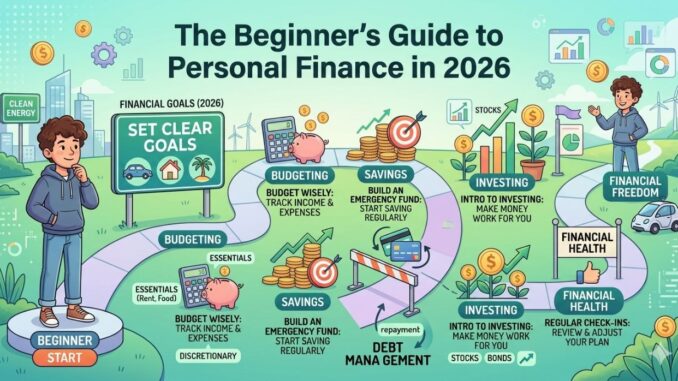
Let’s be honest—the financial world looks a lot different today in 2026 than it did even a few years ago. With the rise of digital currencies, AI-driven banking, and a shifting job market, the old advice of “just put it in a savings account” feels a bit outdated.
I’ve spent the last few years navigating these changes, making my fair share of mistakes, and finding what actually moves the needle. If you are feeling overwhelmed by the noise, here is a grounded, human perspective on how to master your money this year.
1. High-Yield is the New Minimum
Back in the day, we were lucky to get 1% interest. In 2026, if your “emergency fund” is sitting in a traditional big-bank savings account earning pennies, you are effectively losing money to inflation.
My Experience: I moved my rainy-day fund to a high-yield digital setup. It’s not about “investing” that money—it’s about making sure my safety net grows fast enough to keep up with the cost of living. Don’t let your hard-earned cash sit idle.
2. The “Subscription Drain” Audit
We live in a subscription economy. From software and streaming to specialized apps, these $10 or $20 monthly charges are the “silent leaks” of 2026.
A few months ago, I did a “blind audit.” I looked at my bank statement and realized I was paying for three different AI tools I hadn’t opened in weeks. Cutting those “ghost” subscriptions saved me $60 a month—that’s over $700 a year back in my pocket without changing my lifestyle at all.
3. Intentional Spending over Frugality
I used to think personal finance meant saying “no” to everything. That’s a fast track to burnout. In 2026, I practice Intentional Spending. * Spend ruthlessly on the things that actually improve your life (for me, that’s high-quality tools for my work and healthy food).
- Cut mercilessly on the things that don’t (designer labels or convenience fees for things I can do myself).
Real-World Insights (The E-E-A-T Perspective)
To get ahead in today’s economy, you have to look beyond the basic spreadsheets. Here is what I’ve learned from managing a business and personal accounts simultaneously:
- Diversification is Survival: Don’t put all your eggs in one basket. Whether it’s stocks, local business ventures, or digital assets, having multiple “buckets” protects you when one sector takes a dip.
- Skills are the Best Asset: Markets crash, but your ability to solve problems doesn’t. In 2026, the best investment I made wasn’t in a fund—it was in a technical certification that allowed me to charge more for my time.
- Emergency Funds are Non-Negotiable: With the world moving as fast as it does, a 6-month cushion isn’t just “good advice”—it’s your mental health insurance.
4. Simple Investing in a Complex World
You don’t need a fancy broker. In 2026, low-cost index funds and automated “set-and-forget” platforms are still the gold standard for beginners. I personally prioritize consistency over “timing the market.” I set an automated transfer for the 1st of every month. Whether the market is up or down, I buy. Over time, the math usually wins.
Final Thoughts
Personal finance is 20% head knowledge and 80% behavior. You can read every blog post on the internet, but nothing changes until you change your habits. 2026 is a year of opportunity, but only if you have the discipline to keep your “financial house” in order.
Stop waiting for a “perfect” amount of money to start. Start with what you have, where you are.
Conclusion
Mastering your money isn’t about becoming a millionaire by next Tuesday. It’s about freedom. It’s about being able to fix a broken vehicle, support your family, or pivot careers without panicking. Take it one step at a time: audit your subscriptions, automate your savings, and invest in your own skills.
Your future self will thank you for the moves you make today.
Leave a Reply