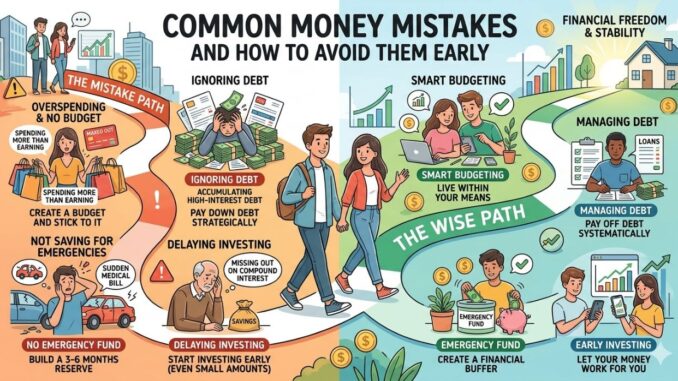
We’ve all been there—looking at our bank balance at the end of the month and wondering, “Where did it all go?” I’ll be the first to admit: I’ve made plenty of financial blunders. I’ve bought things I didn’t need to impress people I didn’t even like, and I’ve waited too long to start a savings plan because I thought I didn’t “earn enough” yet. But through running my own business and managing my own workshop, I’ve learned that the biggest mistakes aren’t usually about bad luck; they’re about bad habits.
If you’re looking to protect your future, here are the most common money traps and how you can sidestep them before they do real damage.
1. Falling for “Lifestyle Creep”
This is the silent killer of wealth. You get a raise, a bonus, or your business has a great month, and suddenly you feel you need a better phone, a faster vehicle, or more expensive dinners.
The Fix: Every time your income goes up, keep your expenses exactly where they are for at least six months. Divert that extra cash into your savings or debt repayment. If you can live comfortably on your old salary, you can build wealth on your new one.
2. Relying on a Single Income Stream
In today’s world, depending on just one paycheck is like walking a tightrope without a net. Whether it’s a job or a single big client, if that one source disappears, you’re in trouble.
The Fix: Start a side project or develop a niche skill. In my experience, even a small secondary income—like selling spare parts or offering specialized consulting—provides a massive psychological safety net.
3. Ignoring “Small” Recurring Costs
We often obsess over big purchases but ignore the $5 or $10 daily leaks. In 2026, those tiny subscriptions and convenience fees add up to a mountain of wasted cash.
The Fix: Do a “Statement Sweep” every 30 days. Highlight every recurring charge. If you haven’t used the service in the last two weeks, cancel it. You’ll be surprised how much “found money” you suddenly have.
Lessons from the Field (The E-E-A-T Perspective)
Managing a technical business has taught me some hard lessons about money that you won’t find in a standard banking brochure:
- Debt is a Tool, Not a Lifestyle: Using a loan to buy a machine that generates income is a smart move. Using a credit card to buy clothes is a trap. I learned early on that if the “thing” I’m buying doesn’t pay me back, I shouldn’t be borrowing money to get it.
- Maintenance is Cheaper than a Crisis: I see it all the time in my workshop—people skip a small oil change and end up with a blown engine. The same applies to your finances. Regular check-ins and small “fixes” to your budget prevent total financial breakdowns later.
- The “I’ll Start Later” Myth: I used to think I needed a huge sum of money to start investing. I was wrong. The time you lose by waiting is much more expensive than the small amount of money you think you’re saving.
4. Not Having an “Emergency Fund”
Life is unpredictable. Tires pop, roofs leak, and health issues happen. Without a cash cushion, these “accidents” turn into high-interest debt because you’re forced to use a credit card or take a predatory loan.
The Fix: Aim for 3 to 6 months of basic living expenses in a separate account. This isn’t for spending—it’s for “sleeping well at night” insurance.
Final Thoughts
The goal of managing your money isn’t just to have a big number in a bank account; it’s to have options. Avoiding these mistakes early on gives you the freedom to take risks, start a business, or walk away from a job that makes you miserable.
Don’t beat yourself up if you’ve already made some of these mistakes. The best time to fix your finances was yesterday, but the second-best time is right now.
Conclusion
Financial success is mostly about avoiding the “big fails” rather than finding a “magic win.” By staying disciplined, keeping your lifestyle in check, and preparing for the unexpected, you’re already ahead of 90% of the population. Take it one step at a time: audit your spending today, and start your emergency fund tomorrow.
Leave a Reply